

Jungle cooking on Hill Tribes Eco Lodges’ nature treks means helping prepare a simple local meal during the walk, then eating together outdoors. Both the one-day and two-day programs include it; the overnight trek adds local evening cooking. Menus, preparation methods and lunch locations may vary with ingredients, conditions and dietary arrangements agreed in advance.
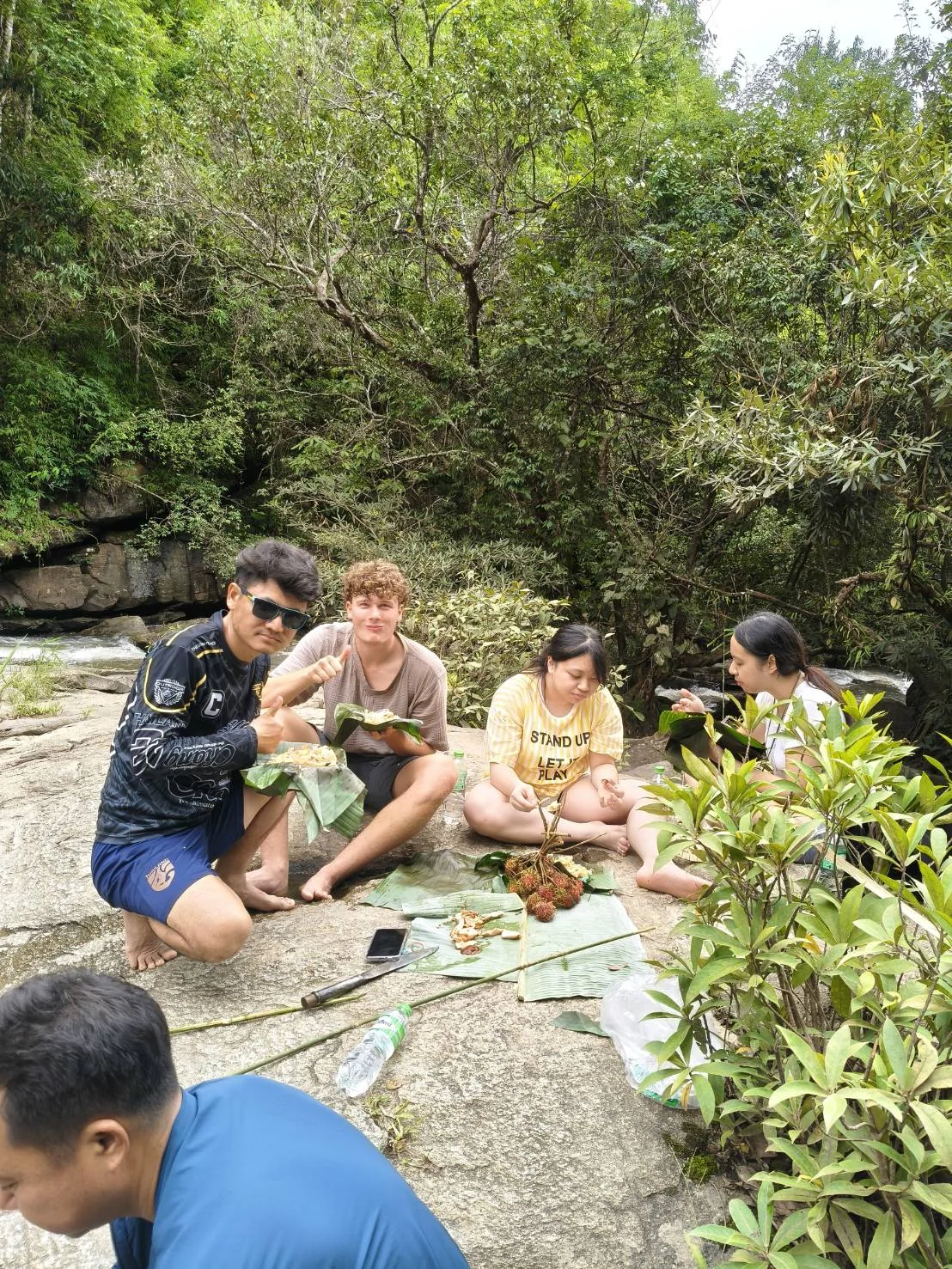
Why is this more than a meal break?
After time on the trail, preparing lunch changes your role from following a guide to joining a shared activity. You see how a simple meal comes together in a natural setting and spend time with your fellow travellers. The appeal is participation, not a long menu or restaurant-style presentation.
A trail lunch stop is not a fully equipped city kitchen. Treat it as a food experience within a trek rather than expecting cooking-school facilities. If you have particular seating, access or bathroom requirements, discuss them before booking.
How does it differ from a city cooking class?
A cooking class is usually the better format when your main priority is time in a kitchen and practising particular dishes. Here, cooking sits within a day of walking, waterfall scenery and rafting. There is no published promise of a fixed number of recipes or a certificate.
If learning several specific dishes is essential, ask whether this activity meets that goal. If you want lunch to become a shared memory tied to the landscape and journey, outdoor preparation offers something different from simply being served a meal.
One day or two days: what changes?
On the one-day Pha Mon program, cooking and lunch form a break during an approximately 8 km trekking day. It suits travellers who want different outdoor experiences and a return to their city hotel that evening.
The two-day trek includes jungle cooking on the first day and a local evening cooking session with the host or guide before dinner. Staying overnight adds time to connect food with community life, although the exact activity still depends on that day’s arrangements.
What can you learn without being an experienced cook?
Start by listening, looking at the ingredients and helping with the preparation tasks assigned by the person leading the activity. You do not need chef-level skills to enjoy making something together. Asking how an ingredient is used in everyday meals can make the experience more meaningful than collecting photographs alone.
Do not pick and taste wild plants or mushrooms independently, start fires or use tools without guidance. A supervised outdoor activity is not permission to experiment freely with everything in the forest.
How should you explain dietary requirements?
Tell the team what you do not eat when booking, and distinguish preferences from allergies. Ask for confirmation before payment instead of raising restrictions only at the lunch stop: ingredients and equipment may already have been prepared in advance.
A vegetarian option does not automatically mean every allergy can be accommodated. If avoiding cross-contact matters, ask about preparation space, equipment and realistic alternatives. For a serious health risk, seek advice from your own healthcare professional before travel.
Participate and take photographs respectfully
Ask permission before photographing people, especially in a community or a host’s cooking area. Avoid asking someone to stage an activity that is not actually part of the experience just to reproduce a promotional image.
Help tidy the meal area as directed and take rubbish back with the group. A memorable lunch should not leave extra work for the hosts or waste along the trail. Respect is part of the experience, not a separate item on the itinerary.
Frequently asked questions
Do I need cooking experience?
Advanced cooking skills are not required to enjoy guided preparation tasks. Ask about the level of participation if you have specific limitations.
Is a particular menu or bamboo-cooking technique guaranteed?
The checked program does not promise one fixed menu or technique on every departure. Confirm any specific expectation with the team before booking.
Is jungle cooking included in every tour?
This article refers to the one-day and two-day nature-trekking programs. Do not assume the same activity is included in all products.
Will we prepare food for elephants?
No. These two nature treks have no elephant activities. The cooking experience is about preparing food for the travellers.
Choose your trekking experience
Choose the trekking format you prefer, then share dietary requirements in advance so the team can confirm suitable arrangements.
View the 1-day nature trek (no elephants) View the 2-day homestay trek (no elephants)Program information sources
Based on Hill Tribes Eco Lodges program descriptions checked on 17 September 2026. Timings, activities and terms can change; confirm before booking.

