

For a Chiang Mai trek with waterfalls and rafting, pack grippy walking shoes, breathable clothes, light rain protection, a water bottle and sun and insect protection. Keep a dry change of clothes and a towel separate from valuables in waterproof storage. For an overnight trip, add personal essentials and confirm what the homestay provides before packing.
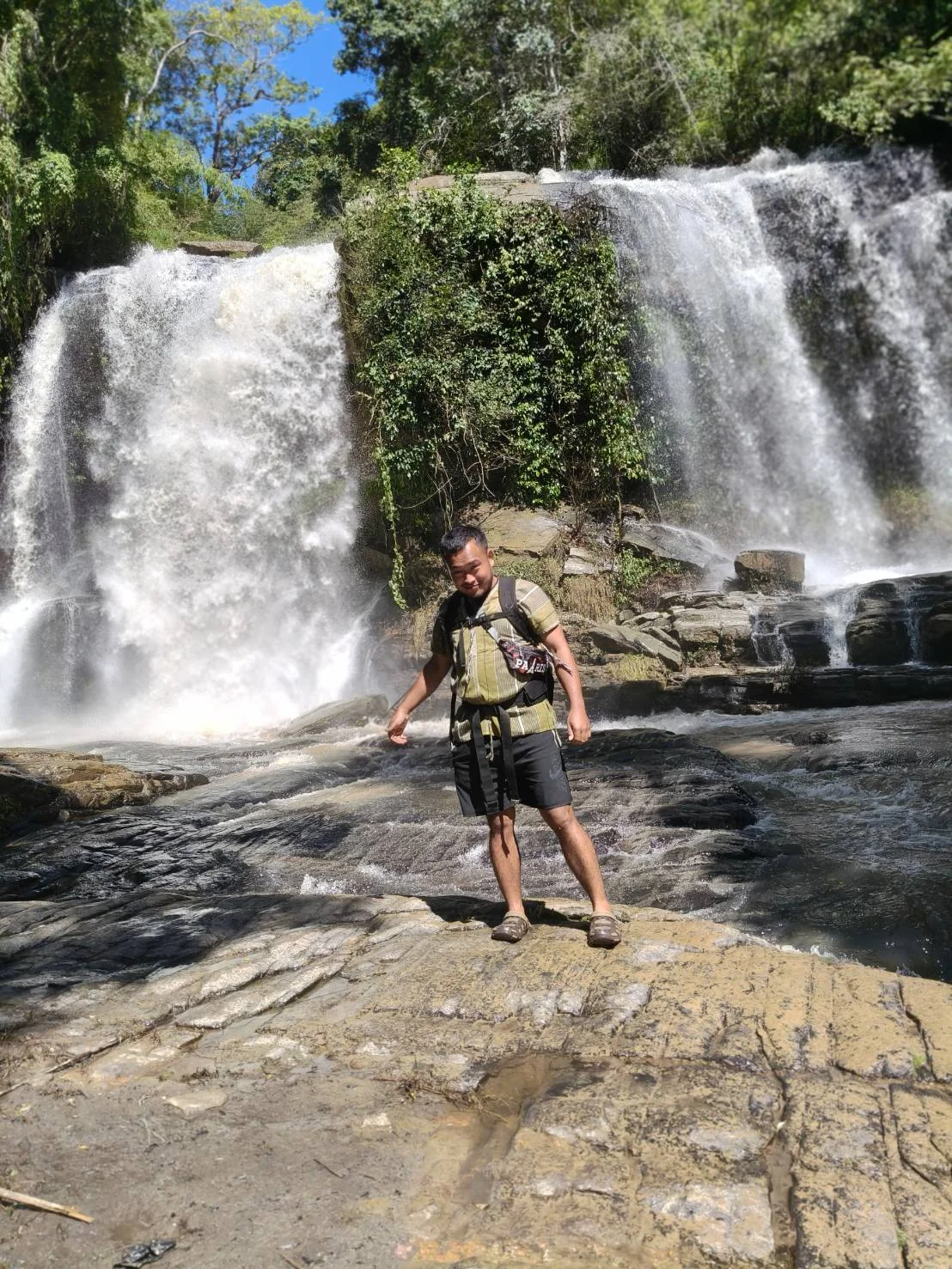
Pack for three parts of the day
Think about walking, getting wet and travelling back in dry clothes. The one-day Pha Mon program involves approximately 8 km of trekking plus water-based activities. The two-day program adds a second trail and a homestay, so a packing list based only on photographs will miss practical needs.
This guide concerns the operator’s nature treks without elephants. It is not an equipment list for independent wilderness travel or camping. Confirm any trip-specific requirements with the team before departure.
Which shoes make sense?
Choose walking or trekking shoes with useful grip, a secure fit and a history of comfortable wear. Natural trails include uneven ground and slopes. A brand-new pair that has never been worn for a long walk may be an uncomfortable experiment on the day.
Water-friendly footwear or sandals can be a spare pair for suitable breaks or changing time, not a replacement for walking shoes throughout the trek. Follow your guide around wet rock and river edges. No footwear makes every slippery surface safe.
Clothing for walking—and a dry journey home
Wear breathable clothing that allows movement and dries reasonably quickly. Bring a hat and a light rain layer. You do not need a wardrobe of spare outfits for a day trip, but one protected dry set makes the return journey more comfortable after water activities.
Separate your dry clothes, phone and important belongings from used towels and wet clothing. If you hope to swim, bring appropriate swimwear while accepting that the guide may rule out entering the water on the day.
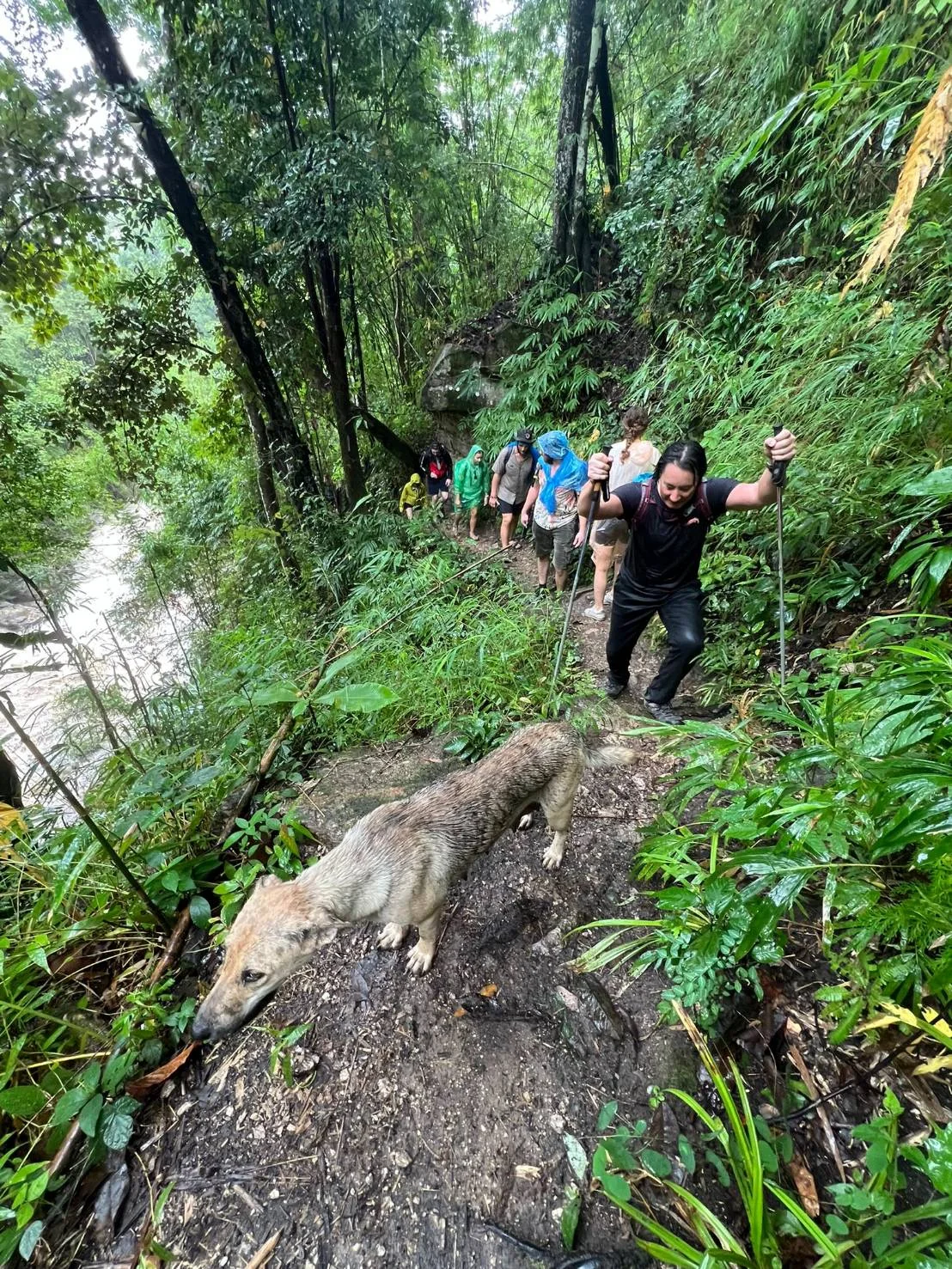
A practical one-day bag checklist
Use a daypack you can carry comfortably while walking. Keep frequently used items accessible. The aim is to cover genuine needs without carrying enough ‘just in case’ items to make the trail unnecessarily tiring.
- A reusable water bottle, even though drinking water is listed as included.
- A hat, sunscreen and insect repellent.
- A light rain layer, compact towel and change of clothes.
- Waterproof storage for your phone, valuables and dry clothing.
- Personal medication you normally need.
- Suitable spare footwear for breaks or changing time.
- Money for personal expenses outside the package.
What changes for a two-day homestay trek?
Add toiletries, sleeping clothes and clothing for the next day. Ask about towels, bedding, charging access and bathroom arrangements before packing. This avoids both unnecessary duplicates and assumptions about facilities that have not been confirmed.
Ask how luggage is handled during the walking sections. Do not assume that bag transport or storage is provided on every departure. If you are checking out of your city hotel, agree where your larger luggage will go before the pickup morning.
What information should you share in advance?
Give the team your actual pickup address, group size, dietary requirements and any walking limitations that could affect suitability. If you have a health concern, obtain advice from your own healthcare professional. A ‘moderate’ difficulty label cannot replace a personal assessment.
Check the forecast and listen to the guide’s briefing, but do not judge trail conditions from the city weather alone. Local ground and river conditions may require an adjusted plan even when it is not raining at pickup.
Frequently asked questions
Can I do the trek in flip-flops?
They are not a suitable main shoe for an approximately 8 km route with slopes. Choose secure, grippy walking footwear and carry a spare pair if needed.
Do I need my own water?
Drinking water is listed as included. Bring a reusable bottle and ask the team about quantities and refill arrangements before the walk.
Should I bring swimwear?
Bring it if you hope to enter the water, but swimming depends on the day’s safety conditions and is not guaranteed.
Do I need a tent for the overnight trek?
The program discussed here uses a homestay, not a campsite. Confirm provided items with the operator before packing.
Choose your trekking experience
Choose your program first, then confirm luggage arrangements, accommodation essentials and walking requirements with the team for your departure.
View the 1-day nature trek (no elephants) View the 2-day homestay trek (no elephants)Program information sources
Based on Hill Tribes Eco Lodges program descriptions checked on 17 September 2026. Timings, activities and terms can change; confirm before booking.

